
When most people think about a new HVAC installation, they picture the big, shiny outdoor unit or the sleek thermostat on the wall. But what often gets overlooked are the small details that make a system efficient — like sealing the base and coil connections properly.
We recently installed a new 454 refrigerant system, and during the process, we highlighted some of the hidden steps that keep your system running at peak performance. Here’s what homeowners should know.
454 Units vs. 410 Units: What’s the Difference?
At first glance, today’s 454 refrigerant systems look very similar to the older 410 units. The big difference? Built-in sensors. These sensors detect refrigerant leaks and automatically shut the system down to prevent damage. That way, instead of guessing, you’ll know right away if there’s a leak that needs to be addressed.
Why Sealing the Base Is So Important
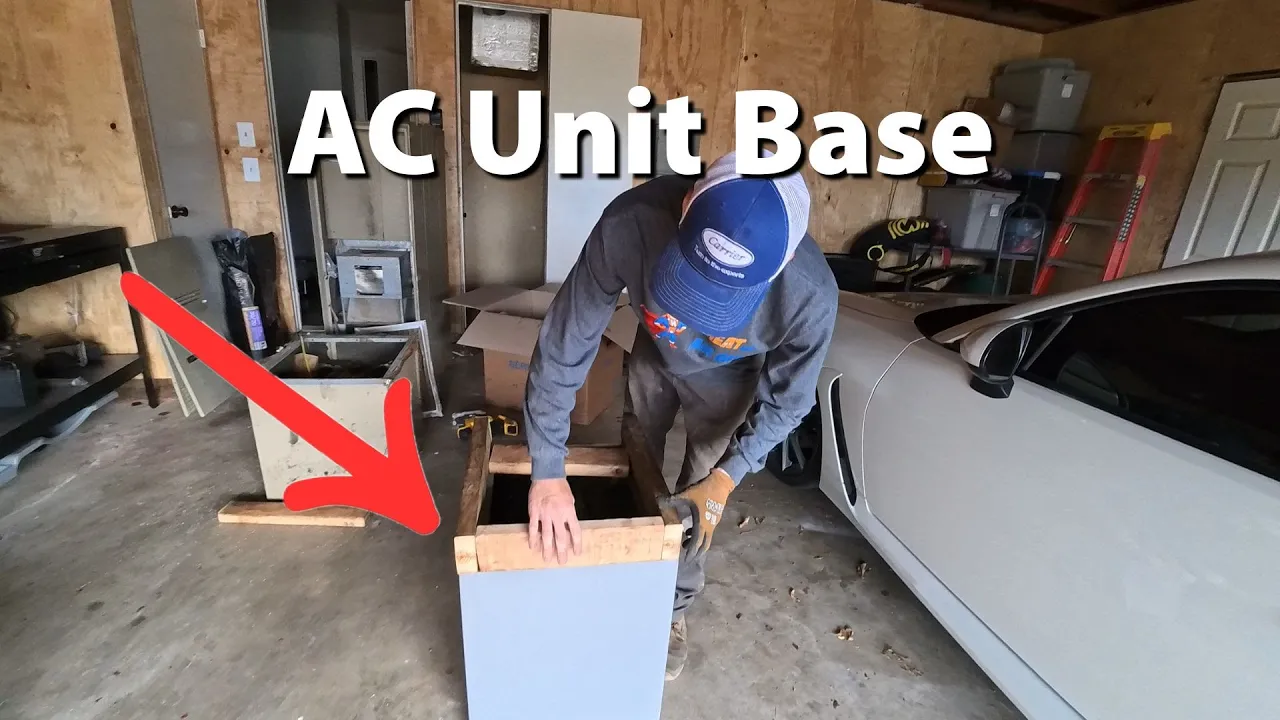
Once the coil and furnace are set in place, we use mastic (a sticky, goopy sealant) and silicone to close off every gap around the base. This isn’t just busywork — it’s one of the most important parts of the install.
When installers skip this step, you lose airflow over the years. Air escapes through cracks in the base or ductwork, forcing your system to run longer and harder just to keep your home comfortable. That means:
- Higher utility bills
- Uneven cooling or heating
- Extra strain on your equipment
By spending just a few extra minutes sealing everything up properly, you get 100% of the air you’re paying for, instead of watching it leak into your attic or crawlspace.
The Hidden Cost of Cheap Installations
We’ve seen units that were 15–20 years old where sealing was skipped entirely. The homeowner had no idea they’d been losing airflow all along — and paying for it on their energy bills.
It’s a good reminder that the cheapest install isn’t always the best value. A careful install with the right attention to detail can add years of life to your HVAC system and save you money in the long run.
Final Thoughts
The big equipment may grab your attention, but it’s the small steps — sealing bases, properly connecting ductwork, and checking refrigerant lines — that really determine how well your HVAC system performs.
👉 Want to see this process in action? Watch the full installation on our YouTube channel