
When you invest in a new heating and cooling system, it’s easy to focus on the shiny new unit outside or the thermostat inside your home. But what really determines how long your system lasts — and how efficiently it runs — comes down to the small installation details most homeowners never see.
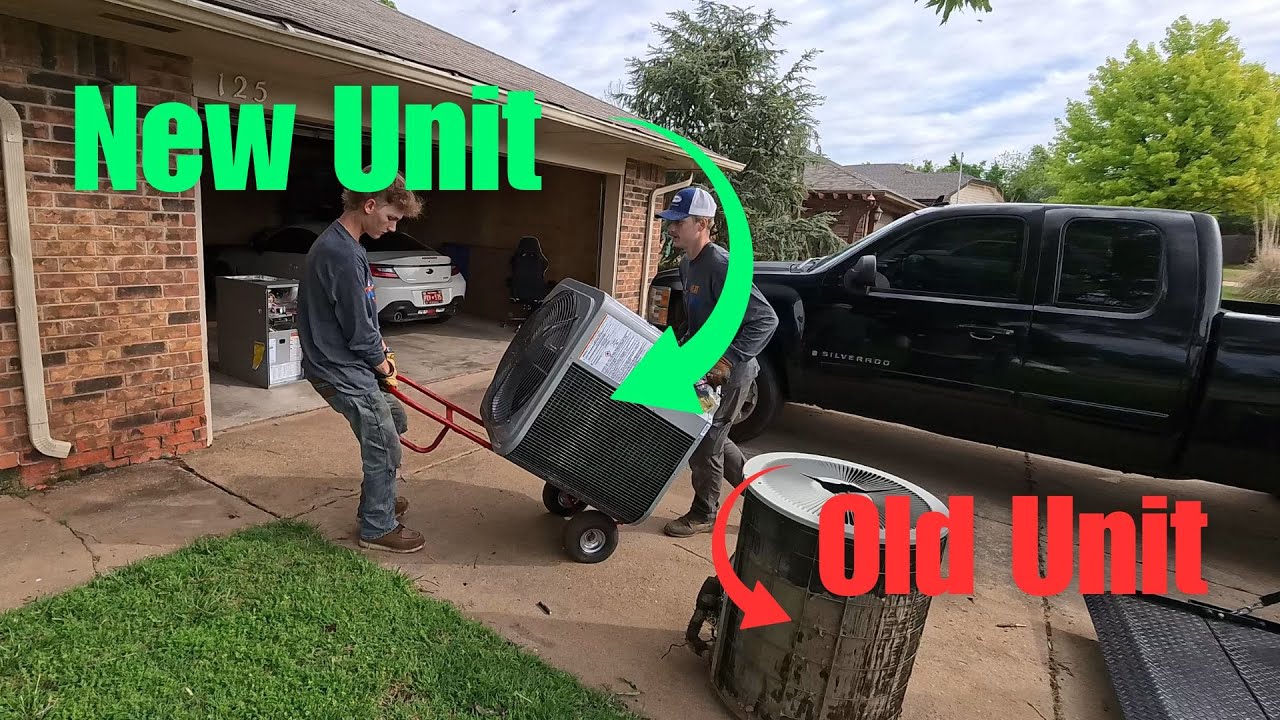
In this recent project, we installed a new A2L refrigerant system with updated sensors and a new furnace. Here’s a behind-the-scenes look at why proper sealing, wiring, and placement matter for your comfort and your wallet.
Running A2L Sensor Wires
The new units with A2L refrigerant come with updated safety sensors. These sensors are designed to detect refrigerant leaks and automatically shut the system down if needed.
The challenge? Manufacturers don’t always give great options for running the sensor wires. In this case, we had to bring the wires straight out the front. It’s not the prettiest solution, but it ensures the sensors are installed correctly and safely.
Why Sealing Every Gap Matters
After setting the coil in place, we went back with silicone and tape to seal every gap. Even the smallest air leaks can waste energy and cause uneven temperatures in the home.
By going “a little overboard” with sealing, homeowners get:
- No wasted airflow — 100% of the air you pay to cool or heat stays in your ducts.
- Lower energy bills — your system doesn’t have to work harder to make up for leaks.
- Better comfort — even distribution of air throughout the home.
It’s the kind of step cheap installers often skip, but it makes all the difference.
Protecting Against Water and Insects
We also silicone around the disconnect (the outdoor electrical shutoff). This does two things:
- Keeps water out — preventing rust and blown disconnects from rain.
- Blocks pests — wasps love to crawl inside and build nests that can short out your system.
Again, these little steps prevent big headaches down the road.
Installing the Furnace
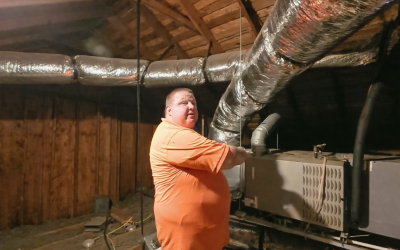
The furnace houses the blower motor, which pulls air from your home’s return ducts, pushes it across the heat exchanger, and sends it through the coil and into your ductwork.
Even though modern furnaces are more compact, once the coil is attached, the whole setup adds significant weight. Proper alignment and a transition piece are essential to make sure airflow moves smoothly into the duct system.
In this case, because the homeowner already had filter grilles at the return, we didn’t need a separate filter base at the furnace. Instead, we built a clean transition for efficiency and airflow.
Final Thoughts
From sealing gaps and protecting against water to properly setting the furnace and wiring new sensors, it’s the small details that separate a quality HVAC install from one that causes headaches later.
If you’d like to see exactly how this project came together, 👉 watch the full installation on our YouTube channel.